How to Teach With Decodable Passages in a Science of Reading Classroom
If you’re using decodable passages in your classroom, you may be wondering what students should actually do with them.
A decodable passage should be more than a quick read-and-done activity. When used well, it helps students connect explicit phonics instruction to real reading practice while also strengthening fluency and comprehension.
Here are your downloadable resources for teaching with decodable passages:
- Short A Passages - Free Download (PDF)
- Short E Passages - Free Download (PDF)
- Other CVC Passages - Member Only (PDF)
- Beginning and Ending Blends - Member Only (PDF)
- Digraphs - Member Only (PDF)
- Long Vowels - Member Only (PDF)
- Vowel Teams - Member Only (PDF)
- R-Controlled Vowels - Member Only (PDF)
- Diphthongs - Member Only (PDF)
In a Science of Reading classroom, the goal is not simply to have students read a passage. The goal is to help them apply the phonics skills they’ve been taught while building meaning from the text.
One way to do this is by using a consistent routine. When students follow the same structure each time they read a decodable passage, they can focus their energy on decoding and understanding the text instead of figuring out what to do next. Below is a simple step-by-step routine you can use with decodable passages during small group instruction, literacy centers, intervention, or independent practice.
Step 1: Start with the Focus Sound
Begin by reviewing the phonics skill students will encounter in the passage.
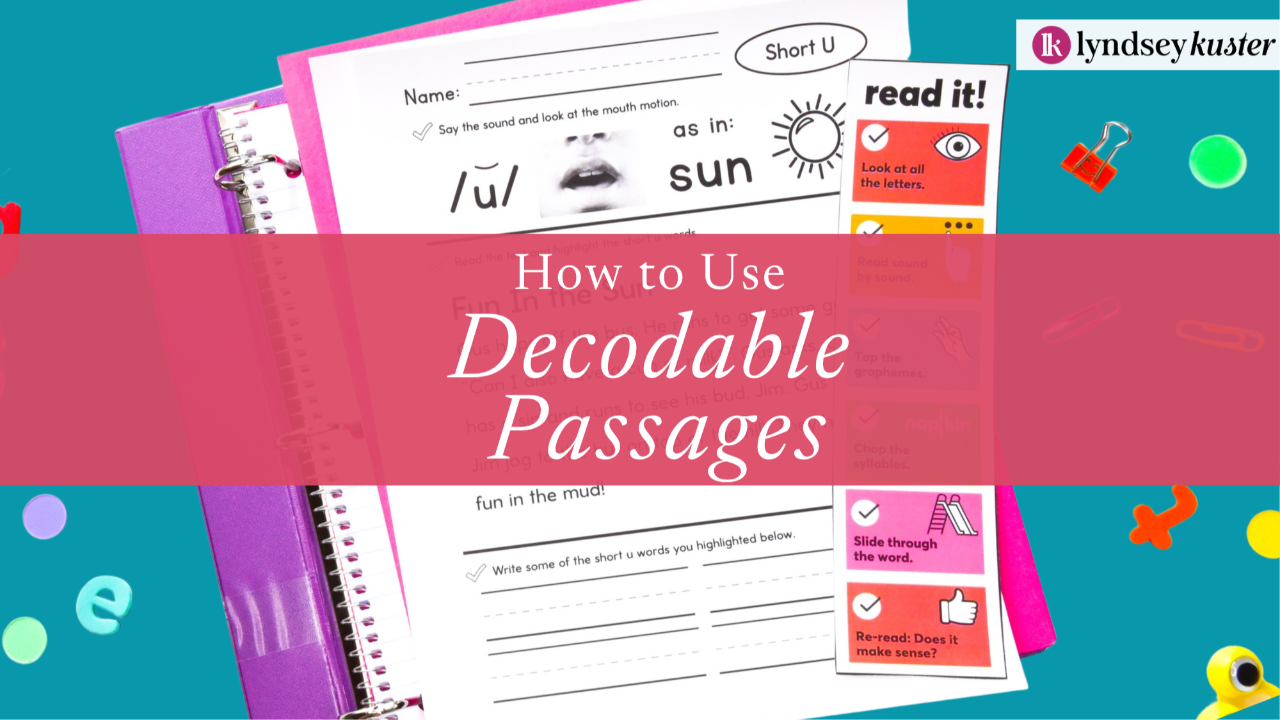
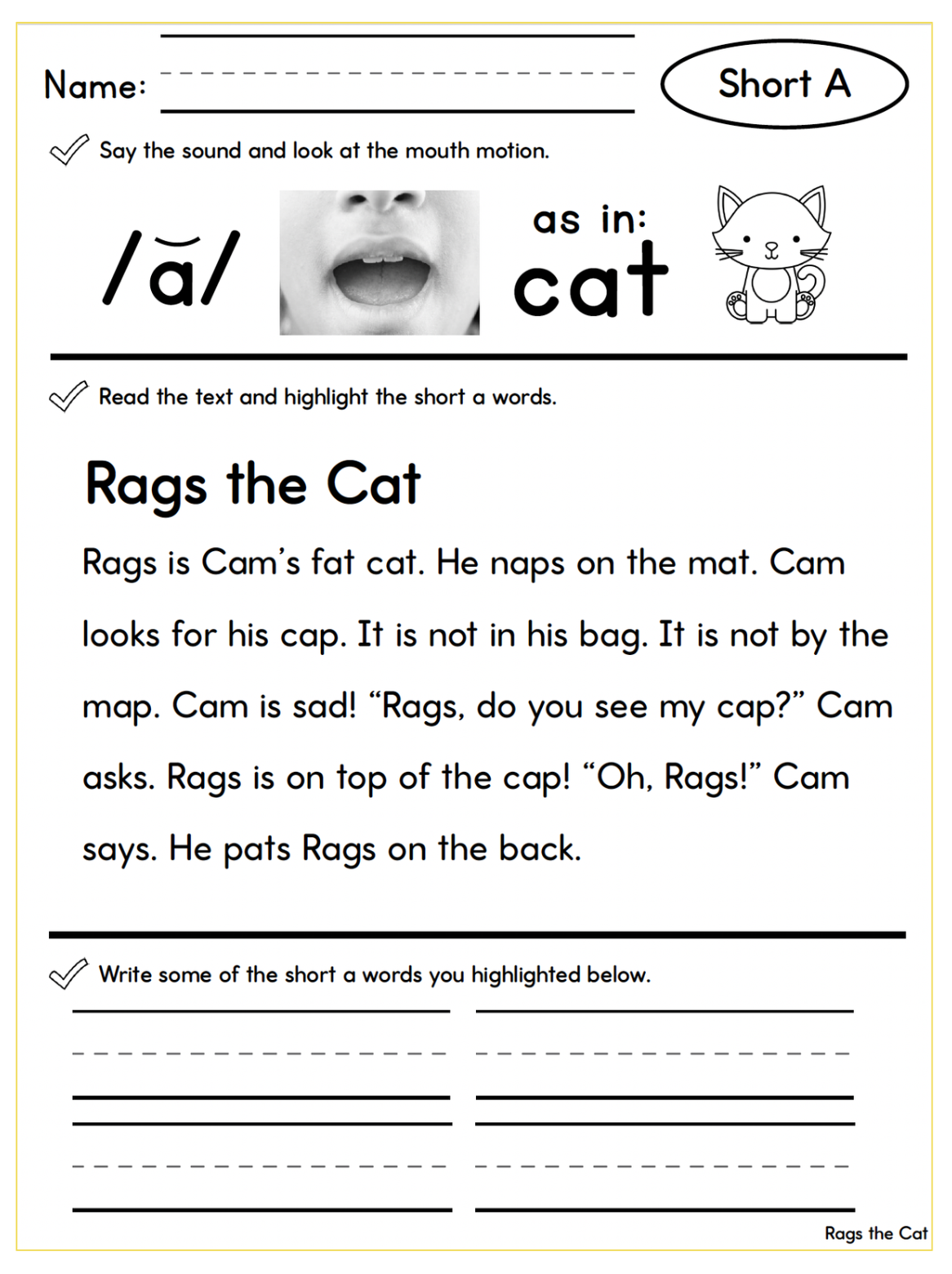
For example, if the passage focuses on the short a sound, students first say the sound and connect it to a keyword such as short a as in cat.
You can also have students look at the mouth motion while producing the sound. This helps students understand how the sound is formed and strengthens their articulation awareness.
This quick review prepares students to recognize the target sound-spelling pattern when they encounter it in the text.
Step 2: Read the Passage and Find the Focus Words
Next, have students read the passage and look for words that include the focus sound.
As they read, students can highlight or underline the words that contain the target phonics pattern.
For example, in a short a passage, students would locate words like:
cat
cap
mat
bag
This step encourages students to actively notice sound-spelling patterns while reading connected text. Instead of passively reading, they are paying attention to the phonics skill they are practicing.
Repeated exposure to these patterns helps strengthen orthographic mapping, allowing students to recognize words more automatically over time.
Step 3: Write Words From the Passage
After reading, ask students to write a few of the words they identified in the passage.
Writing the words reinforces the phonics pattern and helps students connect decoding with spelling. This step slows students down and encourages them to think carefully about how the sounds map to letters.
Even writing just a few words provides valuable encoding practice that supports long-term retention.
Step 4: Visualize the Story
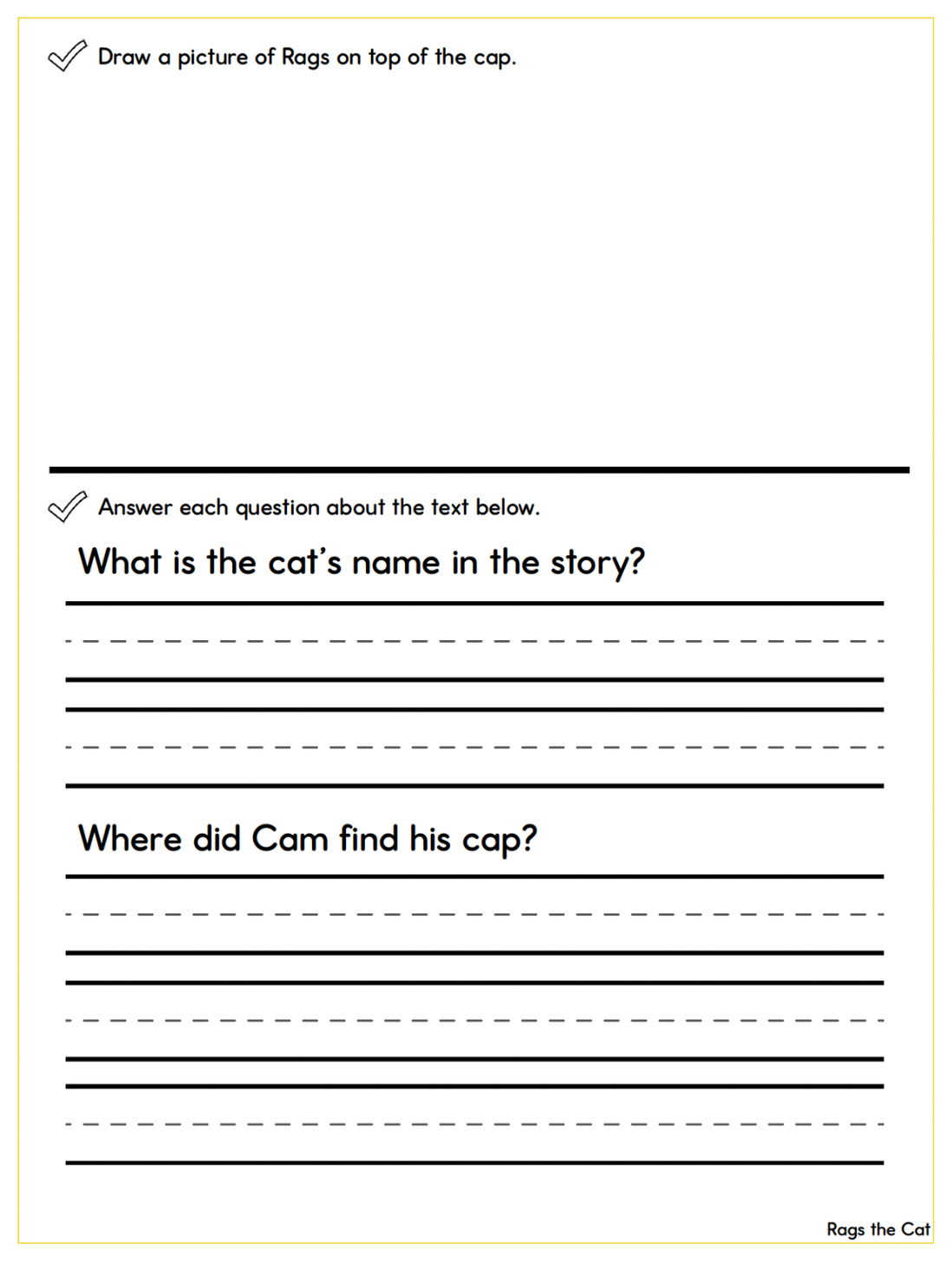
Once students have finished reading the passage, have them draw a picture of something that happened in the story.
Visualization helps students build meaning from the text and encourages them to think about what they read. For young readers, drawing a scene from the passage can be a powerful way to demonstrate comprehension. It also makes the reading experience more engaging and memorable.
Step 5: Ask Simple Comprehension Questions
Finally, ask a few short questions about the text.
These questions help students return to the passage and confirm their understanding. Even simple questions encourage students to think about characters, actions, and events in the story.
Decodable passages are not only for phonics practice. They also provide opportunities to build comprehension from the earliest stages of reading.
Why This Routine Works
This routine brings together several important elements of effective reading instruction.
Students are:
- reviewing the focus phonics sound
- applying the sound in connected text
- identifying sound-spelling patterns
- writing words with the target skill
- visualizing what they read
- answering comprehension questions
Instead of treating decoding and comprehension as separate skills, this approach connects them in a natural and meaningful way.
Because the routine stays consistent, students also become more independent. They know what to expect and can focus their attention on reading and thinking about the text.
Tips for Using This Routine in the Classroom
This routine can be used in several instructional settings.
Small Group Instruction
Guide students through each step and provide immediate support when they encounter difficult words.
Literacy Centers
Once students are familiar with the routine, they can complete it independently as part of their center work.
Intervention
Slow the routine down and spend additional time highlighting patterns or writing words to reinforce the phonics skill.
Here are your downloadable resources for teaching with decodable passages:
- Short A Passages - Free Download (PDF)
- Short E Passages - Free Download (PDF)
- Other CVC Passages - Member Only (PDF)
- Beginning and Ending Blends - Member Only (PDF)
- Digraphs - Member Only (PDF)
- Long Vowels - Member Only (PDF)
- Vowel Teams - Member Only (PDF)
- R-Controlled Vowels - Member Only (PDF)
- Diphthongs - Member Only (PDF)
Because the structure stays the same, the routine can easily be reused across different phonics skills throughout the year.
Decodable passages are most powerful when they are used with intention. When students review the focus sound, locate the phonics pattern in the text, write words from the passage, visualize the story, and answer comprehension questions, they are doing far more than simply completing a worksheet.
They are practicing the habits that help build strong decoding, spelling, and comprehension skills. Using a consistent routine allows decodable passages to become a meaningful part of a structured literacy classroom.
To gain unlimited access to all of our literacy and writing content, join the Literacy Teacher Community!
Here you will find hundreds of literacy and writing lessons, a community of teachers for support, and literacy and writing materials that are always up to date with the latest research.
Simply click the image below to get all of our lessons and resources.
If you’d like access to the resources I share about in this blog post, along with all of my other literacy and writing resources, you can find everything inside Literacy All-Access.
Inside the membership, you’ll find a wide range of structured, engaging literacy resources designed to support your phonics instruction—from decodable passages and targeted practice activities to small group tools and literacy centers—so you can spend less time creating and more time teaching.