What Students Should Do During Literacy Centers (While You Teach Small Groups)
A step-by-step system for structured, independent literacy centers in a Science of Reading classroom
If your small group time is constantly interrupted by students asking questions, getting off task, or needing help… you’re not alone.
This is one of the biggest challenges teachers face.
You sit down ready to teach a targeted small group, and suddenly:
- Someone doesn’t know what to do
- A center isn’t being used correctly
- Students are off task or disengaged
It can feel impossible to teach effectively when your attention is constantly being pulled away.
In a Science of Reading classroom, literacy centers should support your instruction, not compete with it.
Students need clear, repeatable routines they can do independently using skills they’ve already been taught.
Below is a step-by-step system you can use in your classroom.
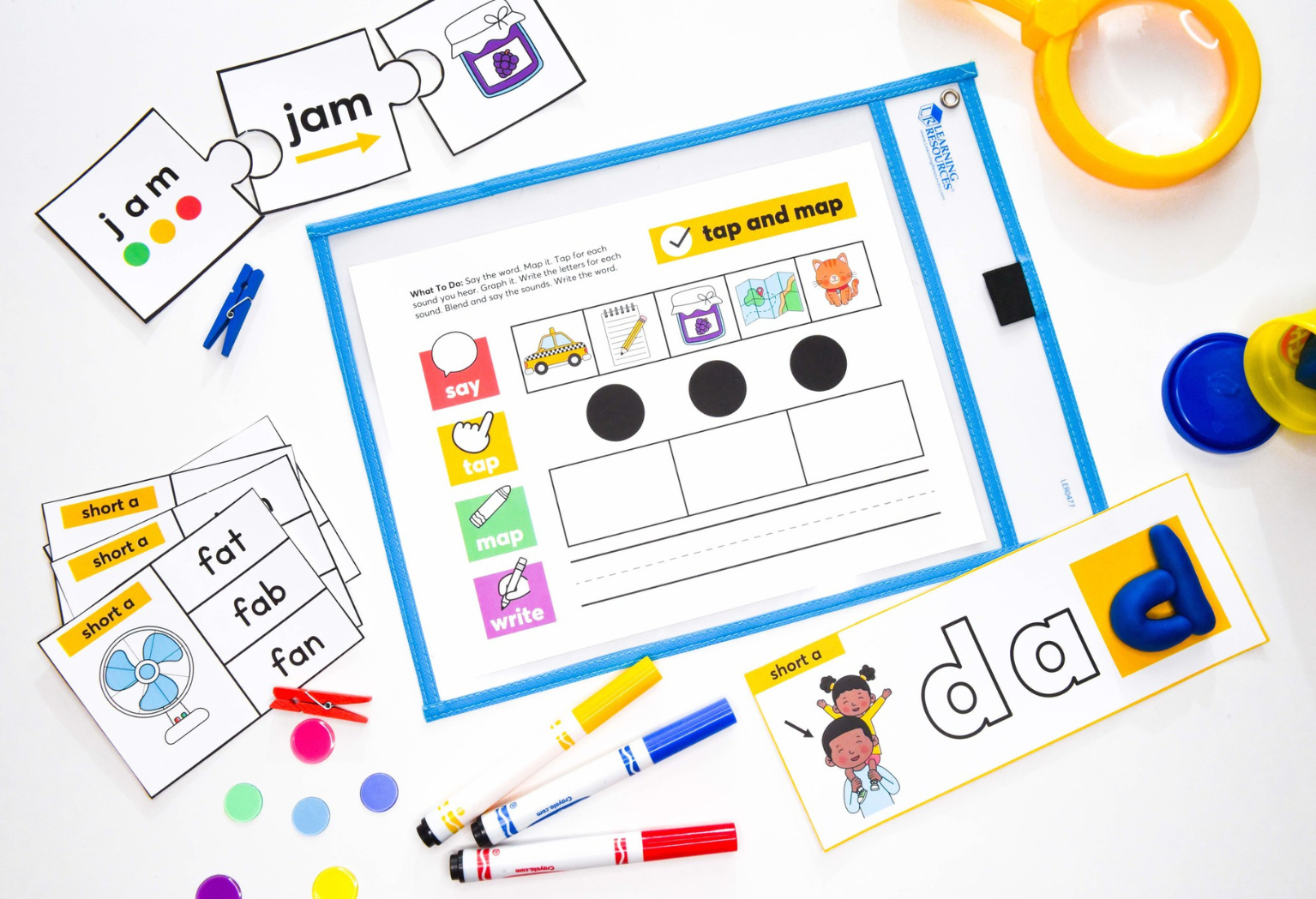
Literacy Centers Learning Objective
Students will independently practice previously taught phonics skills through structured, repeatable routines while the teacher provides small group instruction.
Materials Needed
Here are the materials you will need for this activity:
- Pre-taught literacy center routines
- Word building and mapping activities
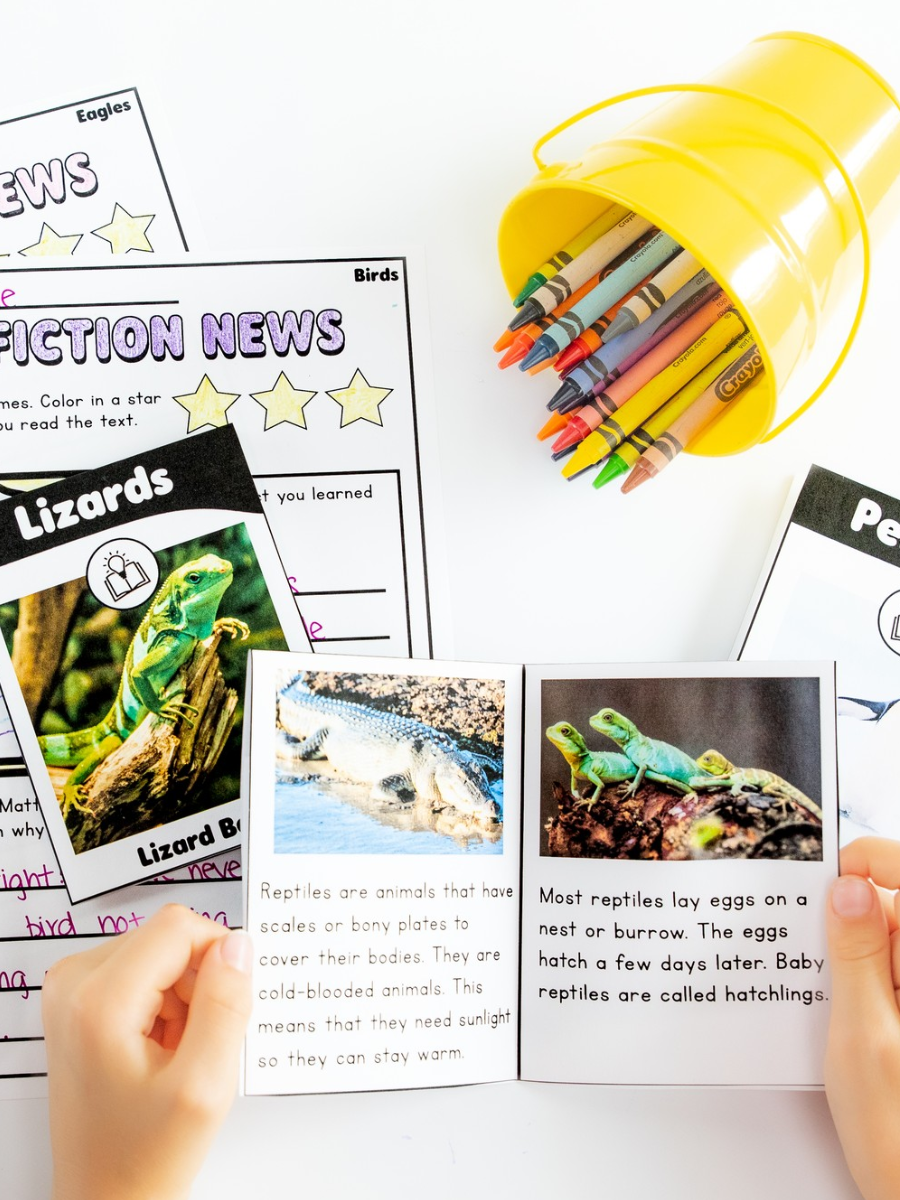
- Sentence reading and writing activities
- Decodable reading materials
- Student recording sheets
- Clear direction visuals for each center
Optional:
- Dice (for roll and read activities)
- Letter tiles or cards
- Dry erase boards
- Digital rotation board or rotation system
What Should Students Do During Literacy Centers?
Students should be working on familiar, structured activities that reinforce skills you’ve already taught.
Centers are not for new learning.
Instead, they are for:
- Practicing phonics skills
- Building fluency
- Strengthening spelling and writing
The key is consistency.
When students know exactly what to do, they can work independently while you focus on teaching.
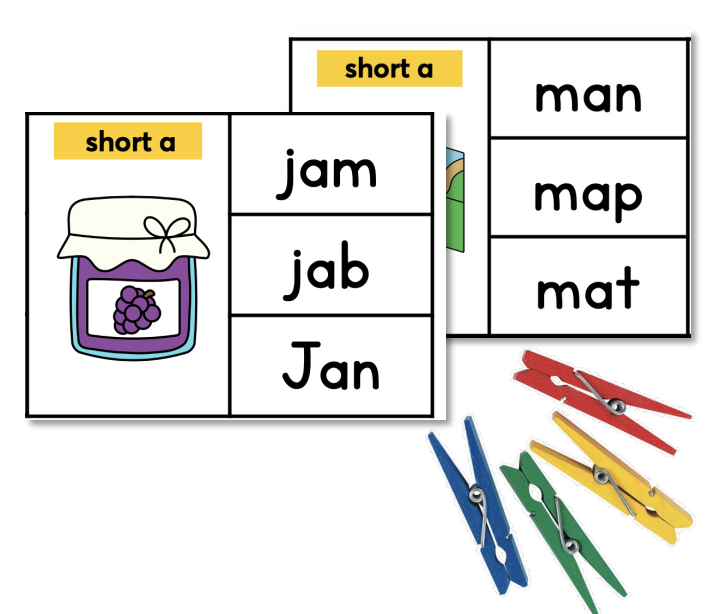
Here Are Your Materials for This Routine
You can use the materials below to get started with structured literacy centers in your classroom.
- CVC Short A Literacy Centers – Free Download (PDF)
- CVC Short E Literacy Centers – Free Download (PDF)
- Literacy Centers for All Phonics Skills – Member Only (PDF)
- Word Mapping Mats Bundle (240+ Mats for Seasons & Themes) – Member Only (PDF)
- Sentence Pyramid Fluency Activities – Member Only (PDF)
- Digital Reading Rotation Board (Timed Slides & Transitions) – Member Only (PowerPoint)
Literacy Center Routine Procedure
Step 1: Teach Each Center Using “I Do, We Do, You Do”
Before students ever work independently, explicitly model each center.
Show students:
- What to do
- What to say
- What the finished work looks like
Then move through:
- I do
- We do
- You do together
- You do alone
This is what builds independence.
Step 2: Introduce One Center at a Time
Avoid introducing multiple centers at once.
Instead:
- Teach one routine
- Practice it
- Build confidence
Once students can complete it independently, add another.
This keeps expectations clear and manageable.
Step 3: Use Consistent Center Routines
Instead of constantly changing activities, keep routines consistent and change the skill focus.
Here are examples of strong, repeatable literacy centers:
Word Building Center
Students:
- Build words using letter tiles or cards
- Read each word
- Write the words
This supports decoding and spelling patterns.
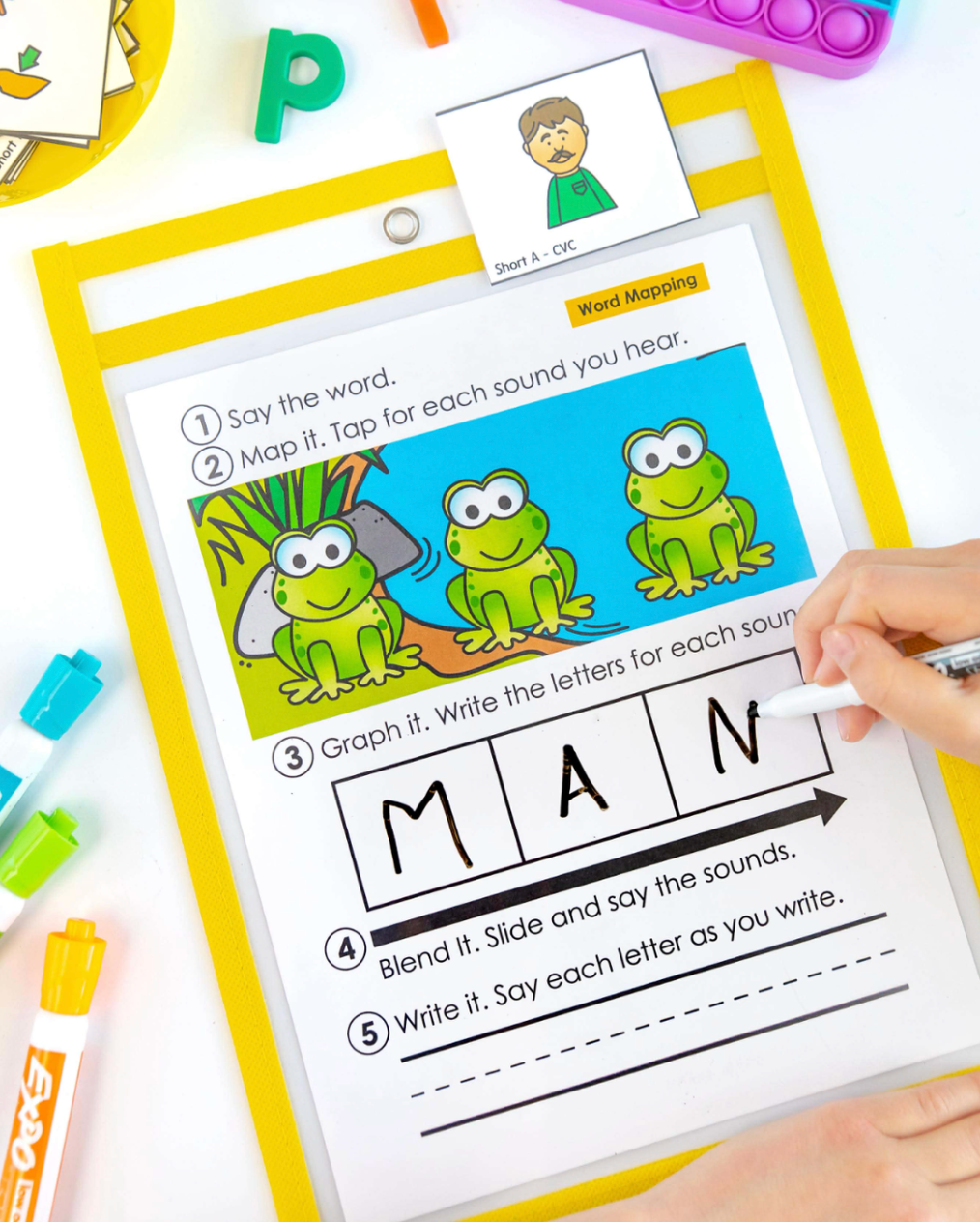
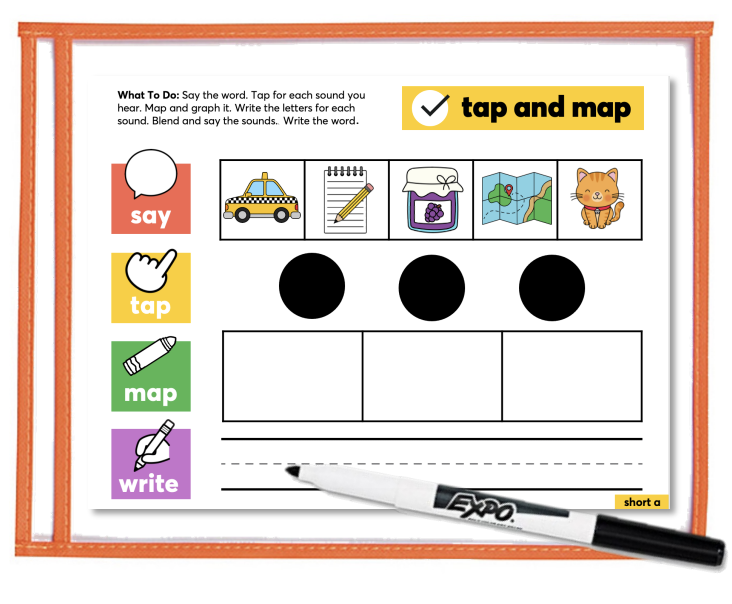
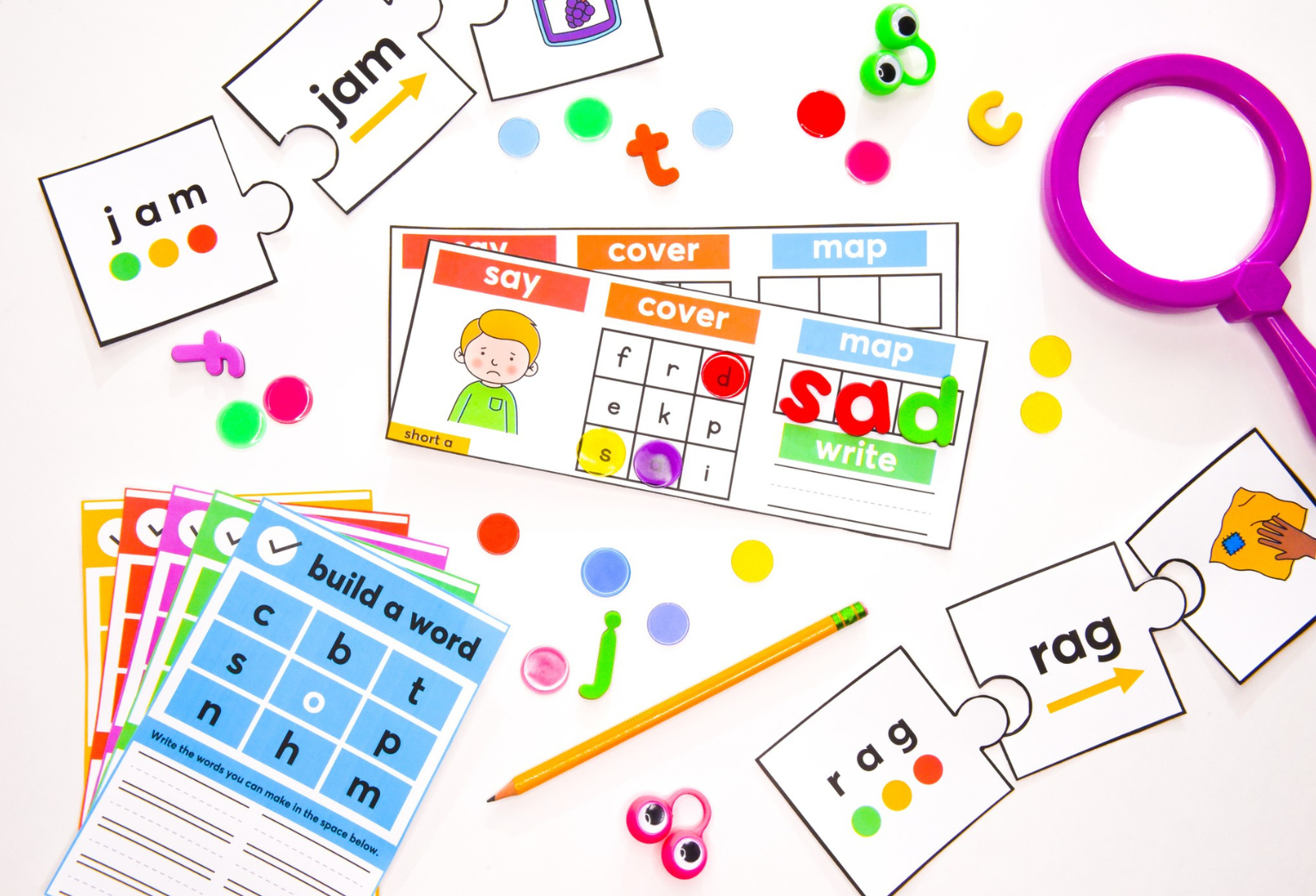
Tap, Map, and Write Center
Students:
- Say the word
- Tap each sound
- Map the sounds
- Write the word
This strengthens phoneme-grapheme connections and supports orthographic mapping.
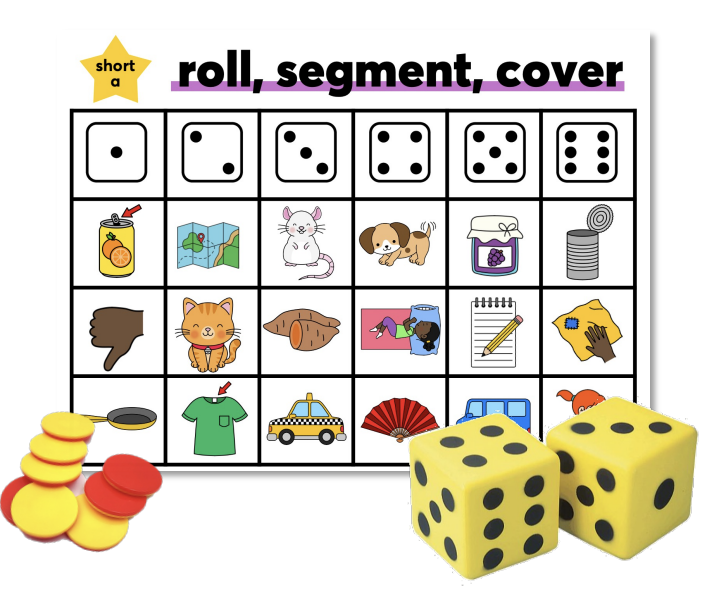
Roll and Read Center
Students:
- Roll a die
- Read a word or sentence
- Continue through the game
This provides repeated decoding practice in an engaging format.
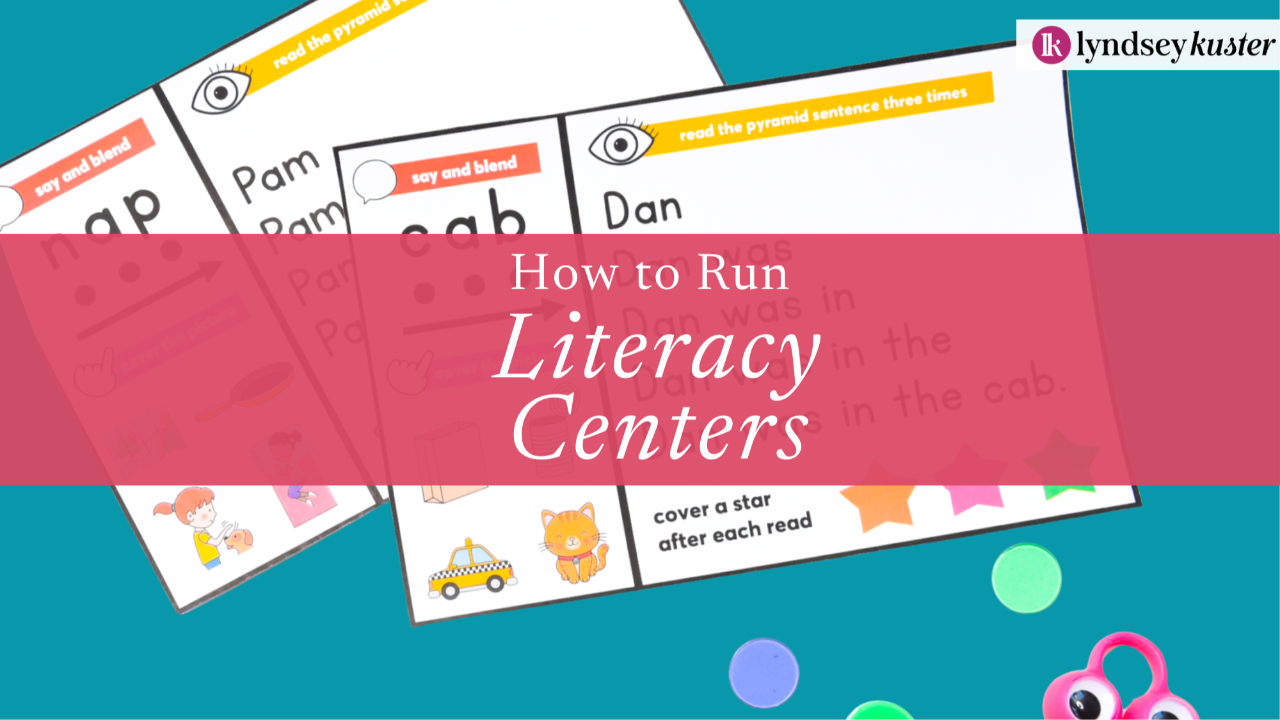
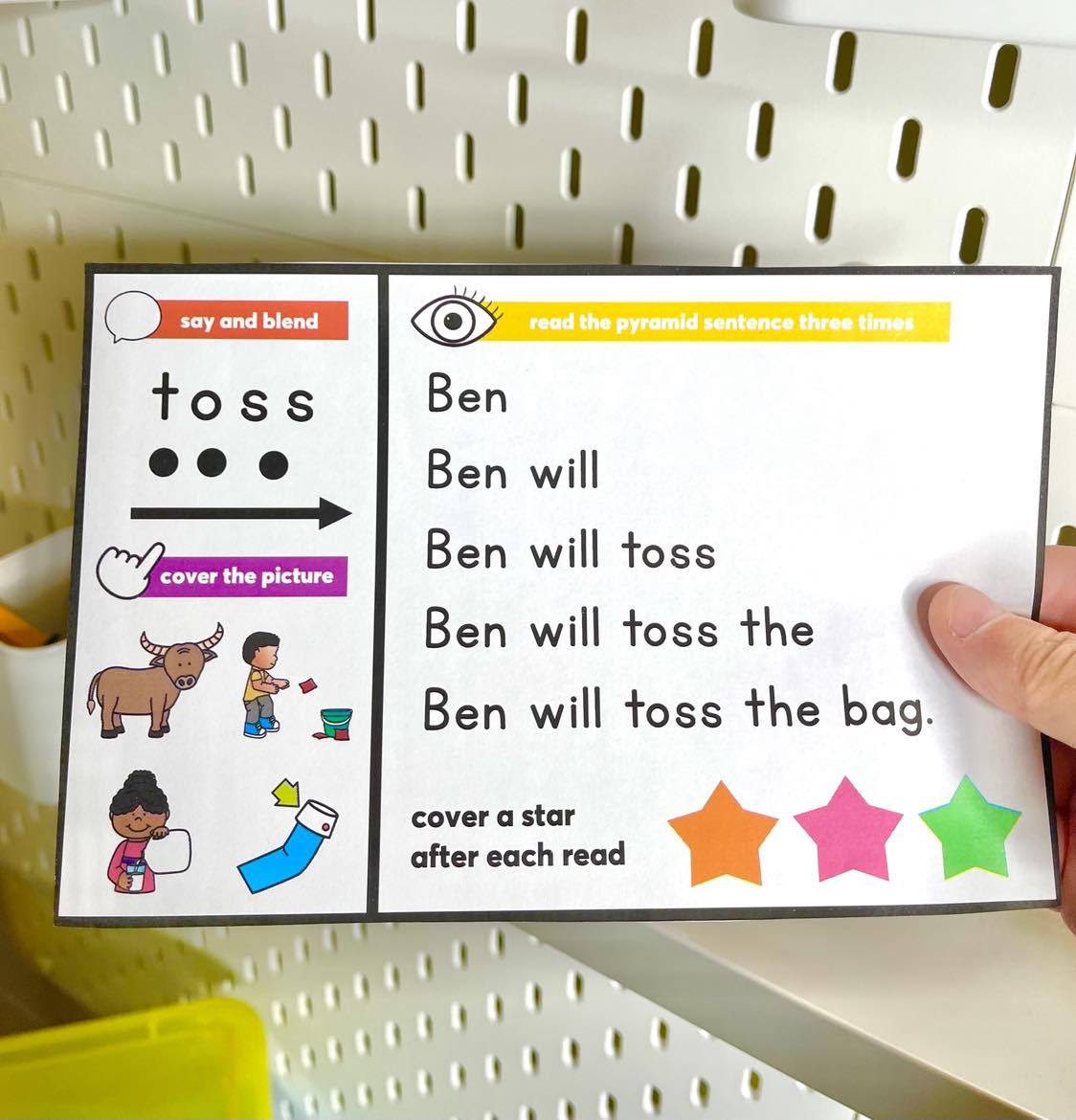
Sentence Pyramid Center
Students:
- Read sentences one word at a time
- Build up to the full sentence
- Reread for fluency
This helps bridge decoding and fluent reading.
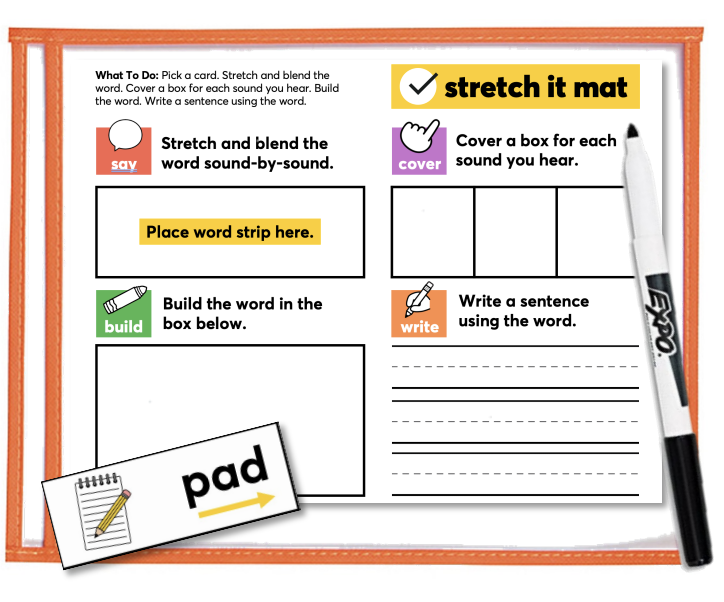
Stretch and Write Center
Students:
- Stretch the word sound-by-sound
- Write each sound
- Use the word in a sentence
This reinforces encoding and sentence-level application.
Step 4: Align Centers to Your Current Phonics Skill
Every center should match what you are teaching.
For example, if your skill is short a:
- Build short a words
- Map short a words
- Read short a sentences
- Write short a words
This keeps practice focused and meaningful.
Step 5: Set Clear Expectations for Independence
Students need clear expectations for what to do if they get stuck.
You might say:
- “Try it three times”
- “Use your sound chart”
- “Ask your partner”
This reduces interruptions during small group time.
Step 6: Build Stamina Over Time
Start small and build up.
- Begin with 5–10 minutes
- Gradually increase time
- Practice transitions
Independence takes time to build.
Step 7: Use a Visual Rotation System to Keep Centers Running Smoothly
Managing transitions is often what makes centers feel chaotic.
A visual rotation system helps eliminate confusion and keeps everything running smoothly.
Instead of relying on verbal reminders or a pocket chart, you can use a digital rotation board that:
- Shows students exactly where to go
- Keeps rotations consistent
- Automatically signals when it’s time to switch
With a timed rotation system:
- Each group stays in their center for a set amount of time
- Transitions happen automatically
- Students don’t rely on the teacher to tell them what to do
You can set rotations for:
- 10 minutes
- 12 minutes
- 15 minutes
- 20 minutes
and choose between 3, 4, or 5 rotation groups depending on your schedule.
Because transitions are predictable and consistent, students quickly learn the routine and become more independent.
Why This Routine Works
This system aligns with structured literacy and Science of Reading practices.
Students are:
- Practicing previously taught skills
- Engaging in meaningful repetition
- Applying phonics in multiple ways
- Building independence
Because routines stay consistent, students can work without constant teacher support.
Tips for Using This Routine in the Classroom
This routine works well in a variety of settings.
Whole Group
Model and practice each center before expecting independence.
Small Group (Teacher Table)
Use this time for explicit instruction without interruptions.
Intervention
Use fewer centers with more scaffolding.
Centers or Independent Work
Keep routines predictable and materials organized.
Here Are Your Materials for This Routine
You can use the materials below to get started with structured literacy centers in your classroom.
- CVC Short A Literacy Centers – Free Download (PDF)
- CVC Short E Literacy Centers – Free Download (PDF)
- Literacy Centers for All Phonics Skills – Member Only (PDF)
- Word Mapping Mats Bundle (240+ Mats for Seasons & Themes) – Member Only (PDF)
- Sentence Pyramid Fluency Activities – Member Only (PDF)
- Digital Reading Rotation Board (Timed Slides & Transitions) – Member Only (PowerPoint)
Final Thoughts
Literacy centers don’t have to feel chaotic or overwhelming.
When students have:
- Clear routines
- Consistent activities
- Predictable expectations
they become more independent and engaged.
And that allows you to focus on what matters most:
👉 teaching targeted small groups
To gain unlimited access to all of our literacy and writing content, join the Literacy Teacher Community!
Here you will find hundreds of literacy and writing lessons, a community of teachers for support, and literacy and writing materials that are always up to date with the latest research.
Simply click the image below to get all of our lessons and resources.
If you’d like access to the resources I share about in this blog post, along with all of my other literacy and writing resources, you can find everything inside Literacy All-Access.
Inside the membership, you’ll find a wide range of structured, engaging literacy resources designed to support your phonics instruction—from decodable passages and targeted practice activities to small group tools and lesson supports—so you can spend less time creating and more time teaching.